Categories
Blog Roundhouse Features

Daemon Releases Versatile, Bittersweet Single “Soldier”

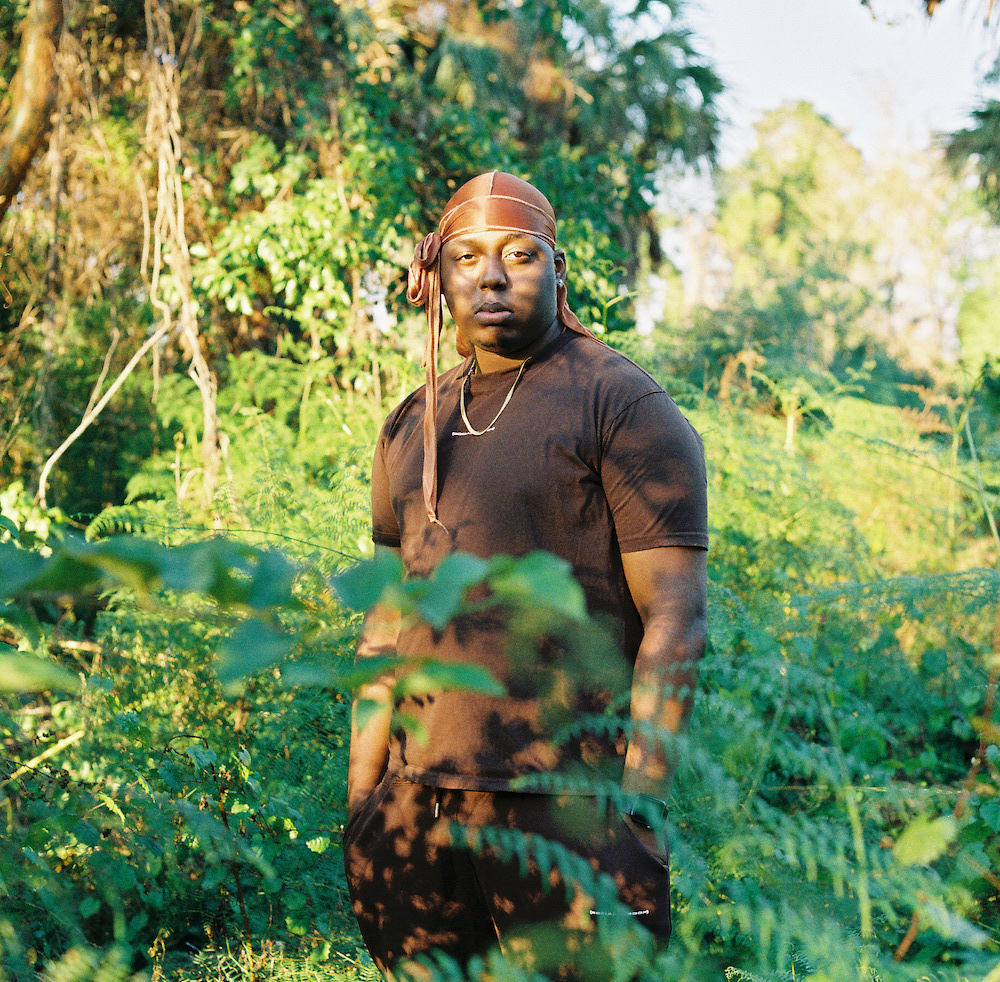
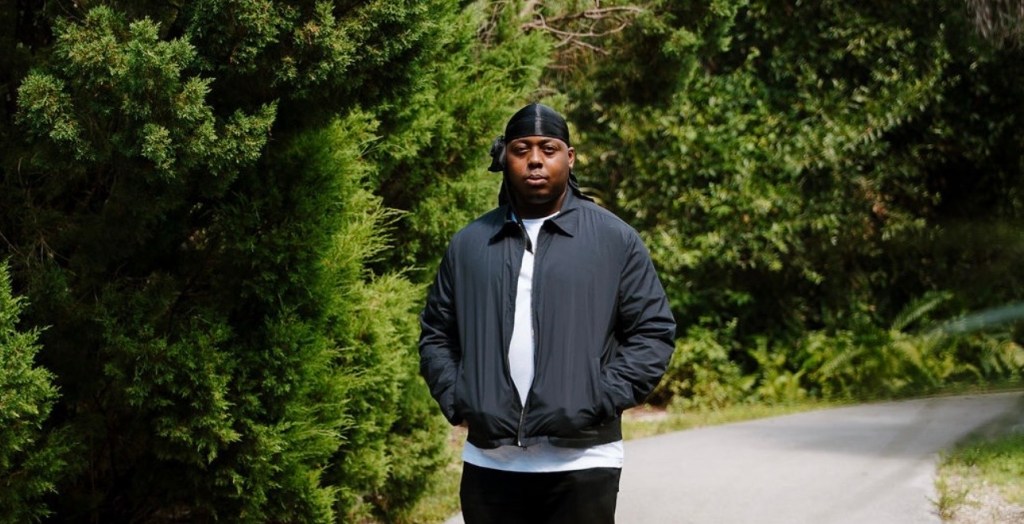
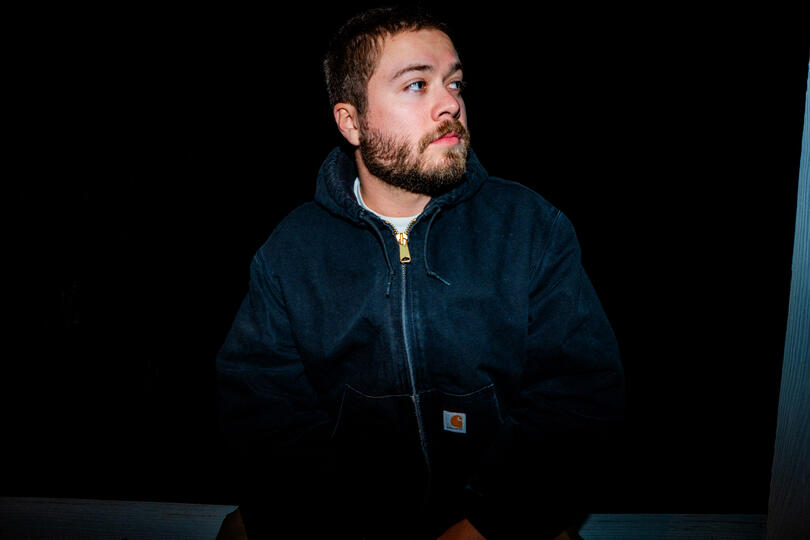
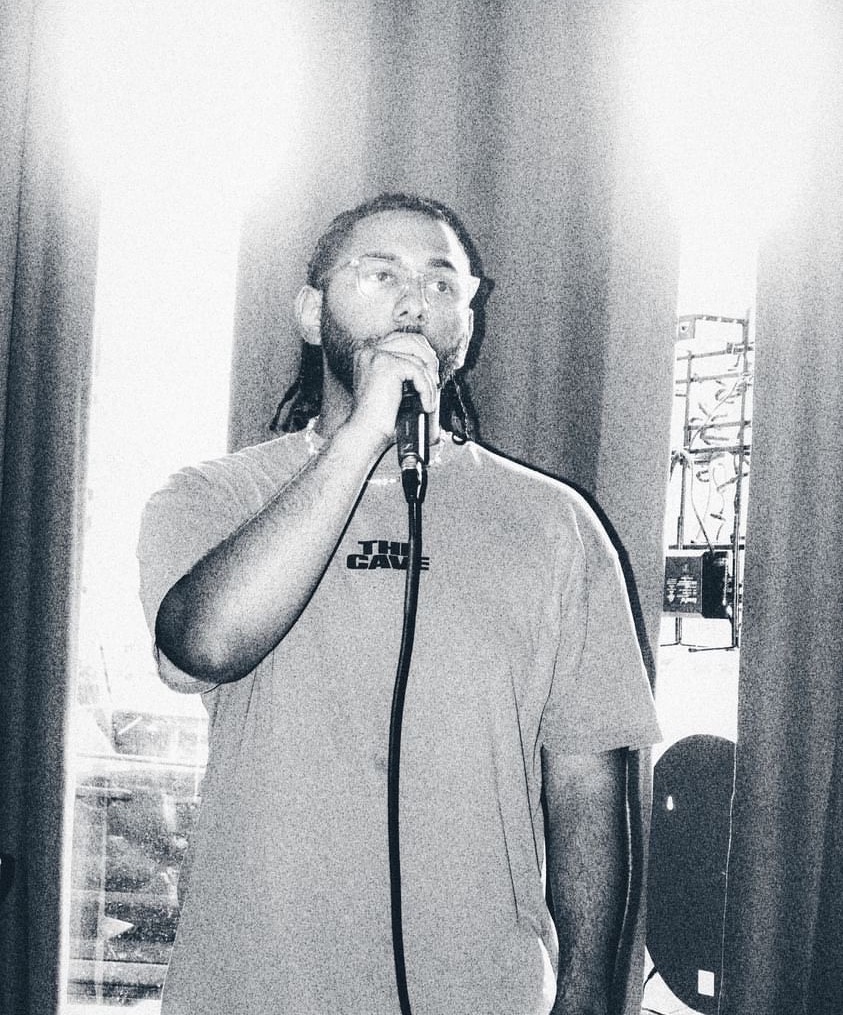
Daemon has released a fresh single, “Soldier”. For the Upstate New York artist, producer, and engineer, music is as much about feeling as it is about sound. A self-taught musician, Daemon has built his own lane around songs that explore love and its complications, moving comfortably between R&B, house and dance music, and alternative. His influences — artists like Kaytranada and Blood Orange — can be felt in the space between his production and songwriting, but “Soldier” feels distinctly like his own.

The new single is warm from the start. Infectious synths glow over a punchy, sturdy rhythm section, giving the track a pulse that feels immediate without overwhelming its more vulnerable moments. Daemon’s vocals slide naturally into the production, smooth and catchy while carrying an atmospheric quality that gives the song a little more room to breathe.

At the center of “Soldier” is a feeling that’s easy to recognize: wanting someone badly enough to keep fighting for them, while wondering how much fighting love should actually require. There’s affection, but also exhaustion — the realization that holding onto someone shouldn’t have to feel like a battle.

That push and pull gives the song its bittersweet character. “Soldier” carries a sense of longing, but it never becomes weighed down by it. The production stays vibrant, allowing the track to feel hopeful even when its lyrics are wrestling with uncertainty.
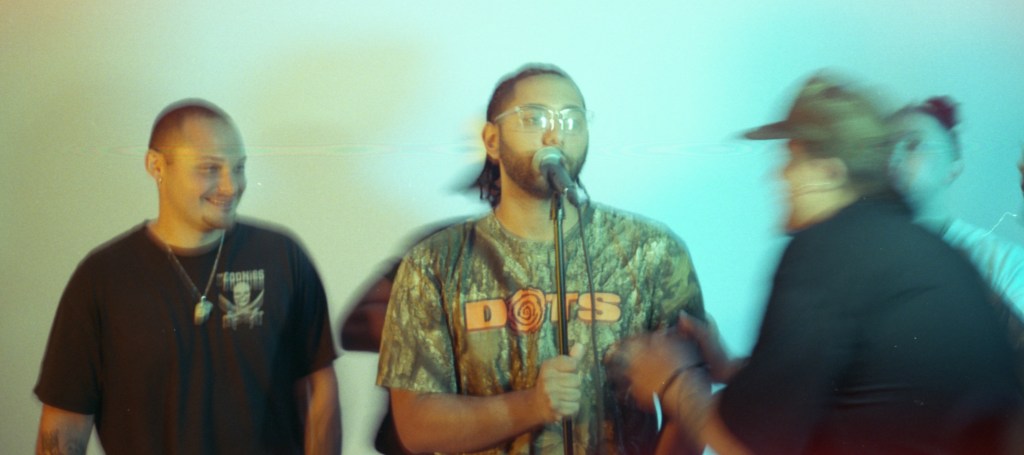
As the song develops, expansive backing vocals enter the picture, widening the emotional scope and lifting the track into something almost euphoric. It’s a subtle shift, but an effective one, turning the song’s intimacy into something larger without losing its core.

What makes “Soldier” compelling is that Daemon doesn’t force a resolution. He leaves room for the contradiction — the desire to stay, the fatigue of fighting, and the possibility that love can still feel beautiful somewhere in between. It’s a refreshing balance of atmosphere and groove, vulnerability and movement.

For an artist who has taught himself how to build songs from the ground up, “Soldier” feels like a natural expression of Daemon’s instincts: emotionally honest, sonically versatile, and willing to let the production say as much as the words.

Listen to “Soldier” here now:

Connect with Daemon: Instagram

Categories
Blog Roundhouse Features

Cashus King and M.Waisome join forces for psychedelic new album ‘The Greatest Album Never Heard’

Los Angeles emcee Cashus King and producer M.Waisome have joined forces for The Greatest Album Never Heard, a richly textured new album that finds the two artists meeting somewhere between classic hip-hop, psychedelic soul, and futuristic soundscapes.

Across the record, M.Waisome builds a world of lush instrumentation, atmospheric samples, warm grooves, and spacey electronics, giving King plenty of room to do what he does best: rap with purpose. His writing is intricate without feeling overly calculated, moving between sharp observations, poetic imagery, and reflective lyricism that rewards a closer listen.

The album establishes that chemistry early with “Rhythm Nation,” where King lays down poignant, razor-sharp bars over M.Waisome’s expansive production. There is a real sense of space in the beat, but King never gets lost inside it. His delivery anchors the track, creating a strong balance between the production’s richness and the directness of his voice.

“Sabbath,” featuring Blu, pushes the album further into its atmospheric side. Expressive sampling and punchy percussion provide the backdrop for imagery-heavy performances, while “Save the Music,” featuring Scotty Sterling, brings reggae influences and a soulful feel into the mix. Both tracks add different colors to an album that is never afraid to move beyond a traditional hip-hop framework.

One of the project’s standout moments comes with “Ahead of Our Time,” featuring Godbody Science. M.Waisome’s production feels enormous and forward-looking, while King and Godbody Science trade detailed verses with an easy chemistry. Neither artist feels like they are trying to outdo the other; the track works because the performances complement each other.

Elsewhere, songs like “$elf Worth” and “Now N Later” reveal a smoother side of the project, with airy textures, warm grooves, and plenty of room for King’s poetic and engaging delivery. “Osiris” continues that exploration, weaving electronic elements into a soulful backdrop while King approaches the track with a relaxed confidence.

The album closes with “Limitless,” an appropriately expansive finale. Silvery keys and synths from M.Waisome create a weightless, immersive backdrop, while King delivers an impassioned performance that brings the record’s psychedelic character into full focus. It feels less like a conventional ending than a final step into the world the pair have built throughout the project.

What makes The Greatest Album Never Heard compelling is the consistency of its vision. King and M.Waisome clearly understand the strengths they bring to the collaboration: King’s pen and presence provide the human center, while M.Waisome’s production gives the album its sense of scale and atmosphere.

Rather than chasing a single sound, the pair allow the record to breathe, moving through soulful grooves, reggae touches, hazy samples, electronic textures, and expansive psychedelic production without losing its identity. The result is an album that feels immersive but remains firmly rooted in hip-hop.

The Greatest Album Never Heard is ultimately a meeting of two artists who give each other room to explore. M.Waisome creates the landscapes; Cashus King fills them with stories, observations, and densely woven rhymes. Together, they have made a record that is as interested in atmosphere as it is in bars—and one that reveals more of itself with every listen.

Listen to The Greatest Album Never Heard  here now:

Categories
Blog Roundhouse Features

Lxnny Turns the Daily Grind Into Purpose on “$AME$H*T, DIFFERENT DAY”

For Raleigh, North Carolina artist Lxnny, music has been part of the picture for most of his life. He started playing trombone in third grade and continued through high school, building a foundation in music long before he began making beats or stepping behind a microphone.

That background eventually found its way into production. Lxnny began making beats in 2012, drawing on the musical knowledge he had picked up over the years. He began rapping in 2014, and what started as a practical solution quickly became another central part of his artistry.

That evolution comes through clearly on his latest track, “$AME $H*T, DIFFERENT DAY.” At its core, the song is about reaching a point where you understand what you want and are willing to put in the work to get there. There’s confidence in that mindset, but it isn’t presented as overnight success. The focus is on repetition — showing up, putting in the hours and doing what needs to be done even when the days start to blur together.

The title captures that idea. The pursuit of money, stability and bigger ambitions can become a cycle of its own. One day rolls into the next, the routine repeats, and eventually the answer to “How have you been?” becomes almost automatic: same shit, different day.

Rather than treating that repetition as defeat, Lxnny turns it into motivation.

The second verse digs further into the everyday reality behind the ambition, touching on the work required to turn ideas into something tangible. It’s less about fantasizing about success and more about acknowledging what it costs to build toward it.

Musically, the track gives that message plenty of room to move. Glowing, layered samples weave through a gritty rhythm section, creating a contrast between something smooth and something more hard-edged. Rich grooves keep the production moving while Lxnny rides the beat with an effortless delivery.

His approach to the vocals is equally measured. The flows are smooth and self-assured without losing their energy, while the songwriting leaves enough space for the hook to stick. There’s a sense that Lxnny knows exactly what kind of record he wants to make — one that feels polished without sanding away its edge.

With years spent moving between musician, producer and emcee, Lxnny has developed an understanding of how different parts of a song can work together. “$AME $H*T, DIFFERENT DAY” reflects that experience while keeping its focus on something simple: the work doesn’t stop just because the goal is clear.

Sometimes the biggest part of chasing a dream is doing the same thing again the next morning.

Listen to “$AME $H*T, DIFFERENT DAY” here:

Watch the visualizer for “$AME $H*T, DIFFERENT DAY” here:

Connect with Lxnny: Instagram | Website

Categories
Blog Roundhouse Features

~ Finds His Way Forward on ‘Eyes to See and Ears to Hear’

There’s a sense throughout Eyes to See and Ears to Hear that ~ isn’t trying to tell you where he’s arrived. He’s more interested in showing you the road.

The Adelaide artist, formerly known as Ridgy, has spent years using music as a way of making sense of his inner and outer worlds. Since beginning to release music under the Ridgy name in 2020, he’s worked alongside underground artists including MAVI and Camden Malik, as well as the creative collective Hidden Renaissance. But the shift toward ~ feels like more than a change in name. It reflects an ongoing search — a willingness to move toward what isn’t known and document whatever he finds there.

That sense of searching sits at the heart of Eyes to See and Ears to Hear. The album is spiritual without being preachy, and it makes for an introspective listen without becoming weighed down by itself. Across psychedelic samples, warm atmospheres and hypnotic grooves, ~ finds a space where uncertainty and hope can exist together.

The opening track, “The road I go,” immediately establishes that feeling. Layered, reverb-soaked samples drift over rich bass as ~ settles into a hypnotic flow, his writing circling around direction, purpose and the quiet determination to keep moving. The KAYEMJAE-assisted “I’ll get to where I’m going,” contains a title that feels less like a declaration of certainty than a decision to trust the process. The track brings a little more grit into the album’s world, balancing gospel warmth against raw sonics and verses about resilience and intention.

There’s something particularly human about that tension. Eyes to See and Ears to Hear doesn’t present self-growth as some clean, linear process. Its spirituality feels rooted in experience — in setbacks, doubt, reflection and the choice to keep going anyway.

“A walk in my mind” turns that inward. Hazy and slightly dreamlike, the track moves through glitchy percussion and memorable grooves while ~ paints an increasingly vivid picture of his own headspace. It feels like being allowed to wander somewhere private for a few minutes, with the music acting less as a backdrop than as a map.

That inwardness reaches another point on “Jacob’s ladder,” featuring austin fox. The production takes its time, gradually building into something soulful and subtly intense. There’s no rush to reach the emotional peak; the song lets its weight accumulate naturally, giving both artists room to sit with what they’re saying.

“Brand new day” closes the album, and it leaves it somewhere different from where it began. Its crystalline soundscape carries a tangible feeling of relief, but not the kind that comes from having everything figured out. It’s the relief of having made it through something. Of waking up and realizing that, despite everything, there’s still another day ahead.

That might be what makes Eyes to See and Ears to Hear resonate. Beneath the psychedelic textures and carefully constructed production is a fairly simple human impulse: to understand where you are, to understand how you got there, and to believe there’s somewhere worth going next.

~ has always treated music as a means of exploring his relationship with the world and with spirit. On this album, that exploration becomes particularly vivid. The songs feel like fragments collected along the way — moments of doubt, conviction, struggle, gratitude and renewed perspective.

There are no easy answers here, and thankfully, the album doesn’t pretend there are. Instead, Eyes to See and Ears to Hear finds something meaningful in the act of looking and listening itself.

Listen to Eyes to See and Ears to Hear now:

Connect with ~: Instagram

Categories
Blog Roundhouse Features

David Naïve’s ‘Maiden, Post-Vïe’ Is an Album About Becoming

Released on his 18th birthday, Maiden, Post-Vïe is David Naïve’s debut album and a document of a strange, difficult period in his life. Recorded between 2024 and 2026, during the final years of high school and the transition into adulthood, the album moves through loneliness, escapism, self-hatred, love, loss, identity, and the uncertainty of figuring out who you are.

It is also, fittingly, an album about change.

Naïve has described the process of making it as incredibly difficult. There were periods when he felt detached from himself, unsure of what he wanted to create, and doubtful that the album would even happen. Instead of hiding that instability, Maiden, Post-Vïe builds its sound around it.

The result is restless and cinematic, pulling from shoegaze, cloud rap, industrial hip-hop, ambient music, post-punk, metal, hyperpop and art pop. Influences from artists like Jean Dawson, Bladee, Yung Lean, Dean Blunt and yeule can be felt throughout, but the album never settles comfortably into one genre.

“MAIDEN” immediately establishes that world. Distorted guitars, cavernous percussion and drowned-out vocals create a huge, hazy opening, while “SUPERNOVA” erupts with industrial production and raw emotion before slowly collapsing into something quieter. “EXILE” shifts into icy cloud rap and R&B, while “BLEED” and “ETHEREAL RAGE” push the record into much darker, more aggressive territory.

At its emotional center is “SCARED, FOREVER,” written during a period of heartbreak, anxiety and intense self-reflection. From there, the album keeps changing shape. “I DIE, I LIVE, I DIE AGAIN” explores Naïve’s tendency to constantly reinvent himself, while “A THOUSAND TIMES” turns that identity crisis into sound, jumping between ambient house, electronic music, R&B and Jersey club.

The album’s genre-hopping never feels entirely separate from its subject matter. Naïve is constantly asking which version of himself is real, and the music seems to ask the same question.

That uncertainty reaches its clearest point on “YEN,” the album’s closer. Rather than resolving everything, the track drifts into airy production and stream-of-consciousness writing. There is no grand revelation, no definitive answer about the future. Just uncertainty.

That feels right.

The title Maiden, Post-Vïe reflects the album’s position in Naïve’s life: a first major creative undertaking made during a period of countless firsts. Now entering college and moving into a new stage of his life, he is already looking toward collaboration, new sounds and new experiences.

Maiden, Post-Vïe remains behind as a snapshot of who he was.

Not a perfectly resolved story, but a record of becoming.

Listen to Maiden, Post-Vïe here now:

Connect with David Naïve HERE.

Categories
Blog Roundhouse Features

Kieran McKenna Embraces Genre-Bending Sound on “TOO MUCH TO ASK FOR”

Kieran McKenna has never been an artist particularly interested in staying in one lane. The South Bend, Indiana native, now based in Los Angeles, has spent the past few years moving comfortably between genres, identities, and creative worlds. His latest single, “TOO MUCH TO ASK FOR,” feels like another step forward in that evolution—a character-rich, genre-blurring track that brings together indie, alternative pop, and punk influences without losing sight of McKenna’s personality as an artist.

McKenna’s path to this point has been anything but conventional. Earlier in his career, he released music under the names “graycielos” and “22GRAY,” while also putting out the understated reggaeton project VACACIONES DE INVIERNO. He has worked behind the scenes as a writer for artists including Omar Courtz and Travis Scott, giving him experience across very different corners of contemporary music.

At the same time, McKenna has built an unconventional online presence of his own. His TikTok following has grown through viral Spanish-language memes, even as he has continued developing an emotionally direct English-language hip-hop project, POEMS FOR MY YOUNGER SELF. Rather than treating those different sides of his identity as separate worlds, McKenna seems increasingly interested in letting them inform one another.

That approach is particularly apparent on “TOO MUCH TO ASK FOR.”

Produced in collaboration with Los Angeles-based producers Max Topelson, Sighmon, and Berlo, the track finds McKenna leaning into a more indie and alternative-driven sound. Raw guitar layers gradually build around punchy drums and a memorable bassline, giving the production a sense of movement without becoming overly busy. There is an immediacy to the instrumental that makes the song accessible on first listen, while the layered arrangement leaves enough detail to reward repeated plays.

McKenna’s vocals are ultimately what hold the track together. He moves between indie, alt-pop, and punk-inspired delivery with a distinct emotiveness. There is a certain rawness in his voice that works with the production rather than against it, giving the song a sense of vulnerability while still maintaining its energy.

“TOO MUCH TO ASK FOR” further reflects McKenna’s broader creative trajectory. After exploring hip-hop, reggaeton, songwriting, and internet culture in different ways, he is beginning to synthesize those experiences into something that feels distinctly his own. The result isn’t necessarily about fitting neatly into a particular genre. Instead, McKenna appears more interested in creating music that can pull from several places while maintaining a consistent emotional identity.

That sense of experimentation could become one of McKenna’s defining strengths. In an era when artists are increasingly expected to build identities as much online as they do through their music, he has found an unusual way of navigating both worlds. His internet presence may introduce people to him through humor and viral content, but songs like “TOO MUCH TO ASK FOR” give listeners a reason to stick around.

With its combination of dynamic production, infectious instrumentation, and emotionally charged vocals, “TOO MUCH TO ASK FOR” marks another compelling chapter in Kieran McKenna’s ongoing evolution. More importantly, it suggests that the different influences he has picked up along the way are beginning to converge into a sound that feels cohesive, magnetic, and unmistakably personal.

Listen to “TOO MUCH TO ASK FOR” here:

Connect with Kieran McKenna: Instagram | TikTok

Categories
Blog Roundhouse Features

Sighmon Lets Authenticity Lead the Way on ‘REPTILE’

For Sighmon, music has always been about figuring things out as he goes. What started in a college dorm room in Georgia in 2017, making beats in his spare time, eventually grew into songwriting, performing, producing, and a commitment to making music on his own terms. Nearly a decade later, that journey has led him to REPTILE, his latest album and arguably his most personal body of work yet.

Now 27 and based in Los Angeles after growing up in Naples, Florida, Sighmon has spent years building his sound from the ground up. His path hasn’t followed a traditional blueprint. He started by making beats, gradually found his way into rapping and songwriting, and then immersed himself in the local music scene — attending shows and showcases, performing at open mics, and eventually building a studio in Florida with friends. Moving to LA at the beginning of last year marked another chapter in that evolution.

With REPTILE, those experiences come together in a project that feels both expansive and distinctly personal.

On REPTILE, rather than trying to fit neatly into one genre, Sighmon pulls from a wide range of influences, blending indie, R&B, alternative pop, hip-hop, and other sounds into something that feels fluid and difficult to categorize. The result is a record that moves naturally between moods without losing its identity.

The album opens with “Soldier,” an atmospheric and heartfelt introduction that immediately establishes the emotional core of the project. Built around spacious instrumentation and Sighmon’s infectious vocals, the song explores resilience, loyalty, and the importance of being there for the people you love. It sets the tone for an album that isn’t afraid to be vulnerable while still maintaining a strong sense of melody and rhythm.

From there, “White Noise” brings a warmer energy. Bright instrumentation and rich grooves give the track an easy, inviting feel, while Sighmon’s vocals carry the song with a natural confidence. It’s catchy, but it doesn’t feel overly polished, fitting comfortably into the album’s balance between experimentation and accessibility.

“Am I Right?”, featuring iamdeanooo, shifts gears, incorporating hip-hop elements with indie influences to create one of the project’s more eclectic offerings. The track highlights Sighmon’s ability to move between styles without making the transitions feel forced, reinforcing the genre-bending approach that runs throughout REPTILE.

One of the album’s standout moments comes with “October Skies.” Wistful and nostalgic, the track slows things down and leans into atmosphere, pairing evocative vocals with a smooth, reflective sound.

REPTILE eventually closes with “Owl,” a dynamic finale that begins in a minimalistic, almost meditative space before gradually expanding into something much larger. As the layers build, so does the emotional weight of the track, giving the album a conclusion that feels earned.

Across REPTILE, Sighmon isn’t chasing a single sound. But rather, he’s embracing the freedom that comes with having spent years learning how to make music, perform it, produce it, and ultimately understand what he wants it to say. The album reflects both where he comes from and where he’s headed — the Florida roots, the years of experimentation, the friendships that have shaped his creative process- as he brought in longtime friends Charlie Hartwell and Jack Pavlina into the production, while DXCKLIN handled mastering- and the new perspective that comes with building a life in Los Angeles.

For an artist who began making beats alone in a college dorm room, REPTILE feels like a natural progression. It’s ambitious without losing its intimacy, genre-blending without feeling scattered, and personal without becoming insular.

Most importantly, it sounds like Sighmon.

Listen to REPTILE here now:

Connect with Sighmon: Instagram | X

Categories
Blog Roundhouse Features

Jay Deru’s ‘Skyscrapers’ Finds Strength in Soulful, Uplifting Rap

Jay Deru has been writing for as long as he can remember. Starting with poetry in the third grade, his creative path eventually led him through choir and into rap during high school. After graduating, Deru began recording in professional studios, giving him the opportunity to develop his sound and pursue music on a larger scale. Along the way, he has steadily built a following through performances at open mics in cities across the country.

That progression comes through clearly on Skyscrapers, Deru’s latest album. A soulful and cohesive collection, the record balances warmth and groove with a lyrical approach that feels both assured and personal. Its production is bright and inviting without overwhelming the vocals, leaving plenty of room for Deru’s poised delivery and effortless flow to take center stage.

Deru has described his attention-grabbing voice and natural flow as two of his defining qualities, and Skyscrapers gives both characteristics plenty of space to shine. Rather than relying on excessive production or dramatic shifts, the album finds its identity in subtle, warm textures, infectious, grounded rhythms and Deru’s ability to move comfortably between confidence and introspection.

The opening track, “Cashout humor,” immediately establishes that atmosphere. Silky strings, airy percussion and rich bass create a smooth, engaging backdrop as Deru delivers poetic verses with a relaxed sense of control. It is an inviting introduction to the album, setting up the warm sonic palette and lyrical focus that continue throughout.

“Texas Hold Em” keeps that momentum going with balmy guitar tones and a potent rhythm section that settles naturally beneath Deru’s vocals. There is a noticeable sense of clarity in his performance here, with the rapper reflecting on personal development and self-growth without losing the easygoing quality that defines the track.

On “Hit Me Back,” Deru expands the album’s dynamics through melodic flourishes and immersive production. The track adds another layer to the record’s sound while maintaining its cohesive feel, allowing Deru to continue exploring the space between melody, rhythm and rap.

The album closes with “Hurt Nobody,” one of its standout moments. Over infectious, dexterous bass lines and watery, open keyboards, Deru delivers detailed and personal verses that bring the record’s introspective side into sharper focus. The production remains smooth and spacious, but the writing gives the song an emotional weight that makes it a strong conclusion.

Skyscrapers feels like a natural reflection of Jay Deru’s development as an artist. His journey from childhood poetry to choir, high-school rap and years of live performance has shaped an approach that values both lyrical expression and instinctive delivery. Across the album, he sounds comfortable in his own voice—confident without becoming overstated, reflective without losing momentum.

With its soulful production, irich grooves and thoughtful writing, Skyscrapers presents Jay Deru as an artist continuing to refine his sound while staying rooted in the qualities that have defined his career. It is a warm, focused album that rewards attention, offering a clear sense of who Deru is and where his music is headed next.

Listen to Skyscrapers here:

Connect with Jay Deru HERE.

Categories
Blog Roundhouse Features

David Naïve Turns Loneliness Into Atmosphere on “EXILE”

At 17, David Naïve is already looking at music as something more lasting than a collection of songs. For the New York artist, writing and producing have become ways of keeping track of where he has been, what he has felt, and how he has changed. His new single, “EXILE,” sits firmly in that space.

Naïve started writing raps at 12 and began producing two years later. Everything he has released so far has been self-produced, giving him complete control over both the sound and the stories he wants to tell. His music tends to be introspective and atmospheric, but there is also a sharpness to his writing and melodies. He isn’t interested in simply describing how he feels; there is a sense of self-awareness in the way he turns those feelings into music.

“EXILE” is a particularly fitting example of that approach. The song draws from the cloud rap, wave and alternative R&B sounds that defined parts of the 2010s, but Naïve gives those influences a darker and more personal edge. Dense synths hang over cavernous percussion and booming 808s, creating a sound that feels distant and almost weightless at the same time.

At the center of it is a song about loneliness, escapism, and love and loss. Those themes aren’t presented as separate ideas so much as different sides of the same feeling. There is something intentionally dreamlike about “EXILE,” as if the song exists somewhere between wanting to disappear and wanting to be understood.

Naïve blends melodic vocals and sharper flows throughout the track, keeping the performance from settling into one mood for too long. The production gives him plenty of space to do that. Rather than overwhelming the vocals, the atmospheric layers create a backdrop for the emotional tension in the writing.

“EXILE” is also a glimpse into a much larger project. The song will appear on Naïve’s upcoming debut album, Maiden, Post-Vïe, an eclectic record that draws from a surprisingly wide sonic palette. The album moves through ethereal, cold EDM, manic rage metal and experimental ambient rap, reflecting a period of roughly five years in Naïve’s life.

For an artist who describes music as a way of documenting whatever is happening in his head at a given moment, that makes sense. “EXILE” doesn’t try to offer easy answers. It stays inside the feeling — melancholic, hazy and occasionally heavy — and lets the atmosphere speak alongside the words.

There is something striking about hearing an artist so early in his career already treating his music as a personal archive. “EXILE” feels less like a standalone introduction and more like a page from a story that is still being written. With Maiden, Post-Vïe on the way, David Naïve is beginning to put that story into focus.

Listen to “EXILE” here:

Listen on more platforms HERE.

Connect with David Naïve: Instagram

Categories
Blog Roundhouse Features

Bug Nelson Balances Wit and Substance on ‘Combustible Body Armor’

Bug Nelson has always approached rap from an unconventional angle. Long before recording albums, he was filling notebook pages with rhymes instead of math problems, discovering that storytelling came more naturally than solving equations. That instinct for finding humor in everyday moments has stayed with him ever since, becoming one of the defining traits of his music.

Now based in Brooklyn, Nelson has cultivated a style that feels both laid-back and meticulously crafted. His writing is packed with offbeat observations, understated confidence, and a personality that never feels forced. There’s an ease to the way he delivers his bars, balancing sharp punchlines with a grounded perspective that makes his music as engaging as it is replayable.

His latest project, Combustible Body Armor, sees him team up with producer Cusho for a full-length collaboration that builds an immersive world from beginning to end. Rather than chasing trends, the pair lean into textured, sample-driven production and vivid lyricism, creating an album that rewards repeat listens. Guest appearances from Josh Alias, Oatmeal Jenkins, and Cooper add fresh dynamics without ever pulling focus from the project’s cohesive identity.

From its opening moments, the album establishes its atmosphere. “assorted luggage,” featuring Josh Alias, introduces listeners to Nelson’s world through hypnotic loops, jazz-inflected production, and tightly written verses that effortlessly pull you into the record. “WKUK,” alongside Oatmeal Jenkins, shifts the energy with rugged grooves and memorable performances that showcase both artists’ chemistry, while “Ole Larry’s Bones” slows things down with smoky keys, organic percussion, and an effortlessly fluid delivery that highlights Nelson’s knack for riding understated production.

Closing track “CANNONBALL RICHARDS” leaves a lasting impression, pairing driving guitars and rich basslines with one of Nelson’s most commanding performances on the project. It’s a fitting conclusion to an album built on confidence, creativity, and a clear artistic vision.

For listeners drawn to the sample-heavy, left-field corner of hip hop occupied by artists like Action Bronson, Roc Marciano, Boldy James, Larry June, and The Alchemist, Bug Nelson offers a voice that feels comfortably familiar while remaining entirely his own. Combustible Body Armor is a confident introduction to an artist whose greatest strength lies in making the unconventional feel effortlessly natural.

Listen to Combustible Body Armor here now:

Listen on more platforms HERE.