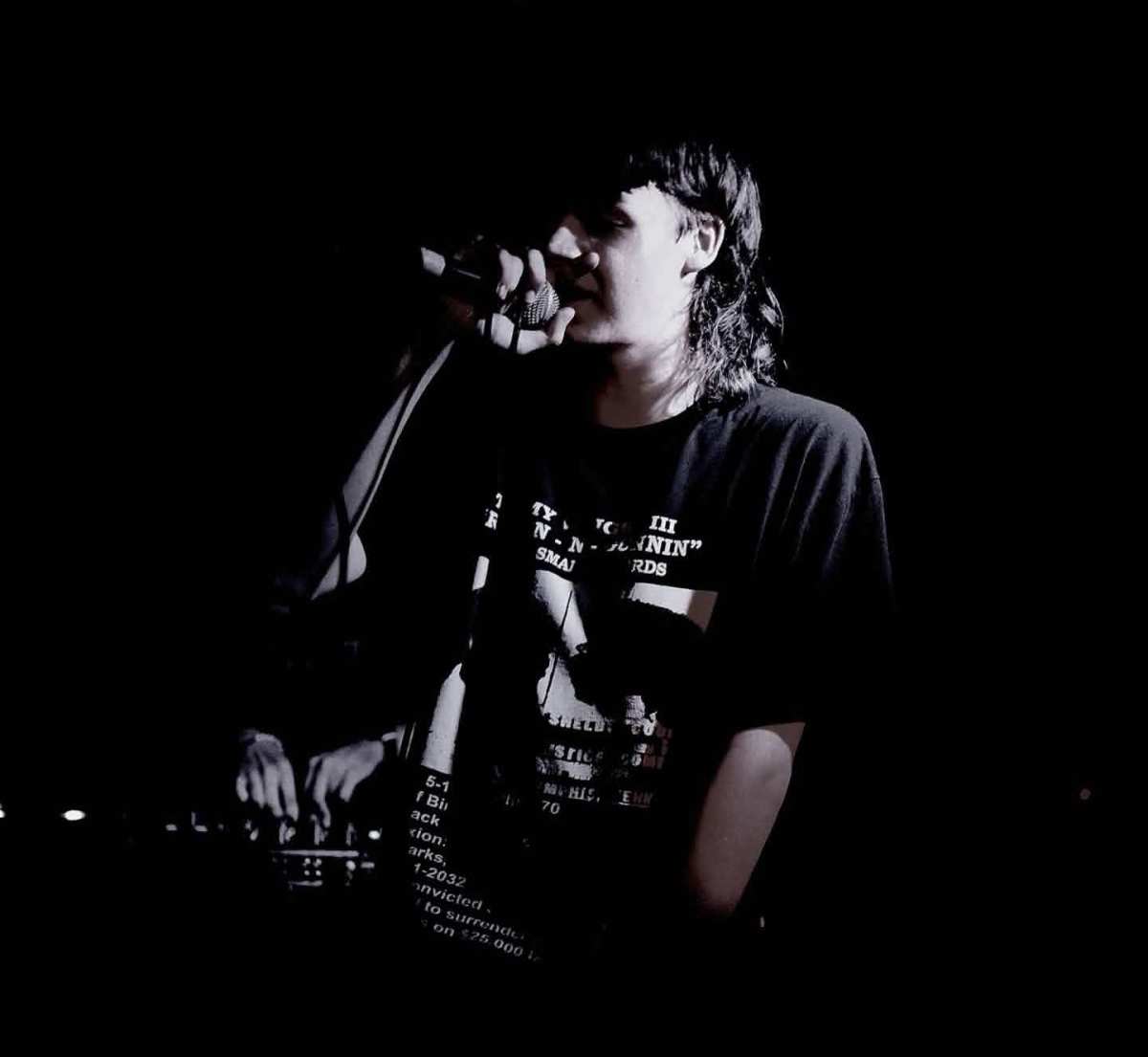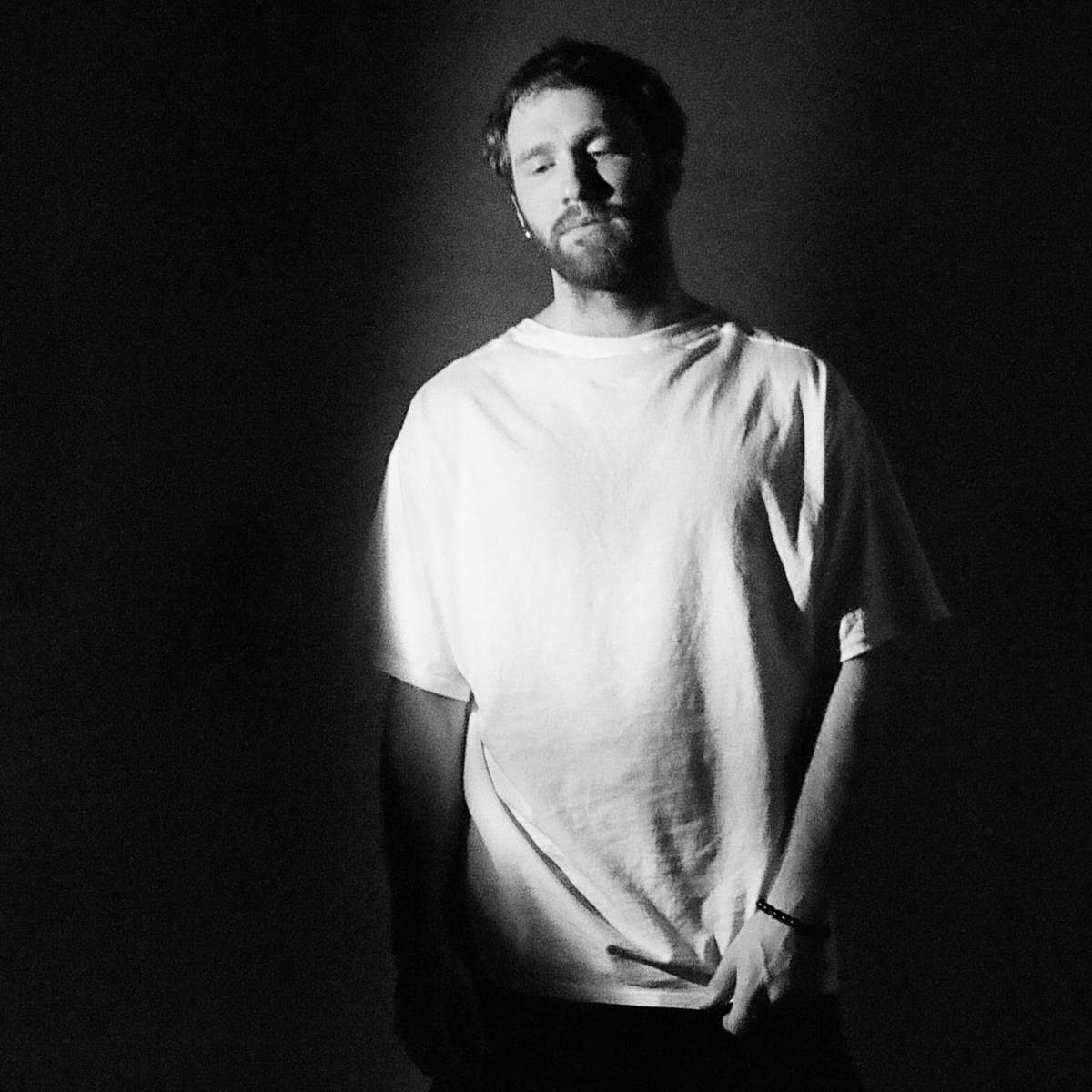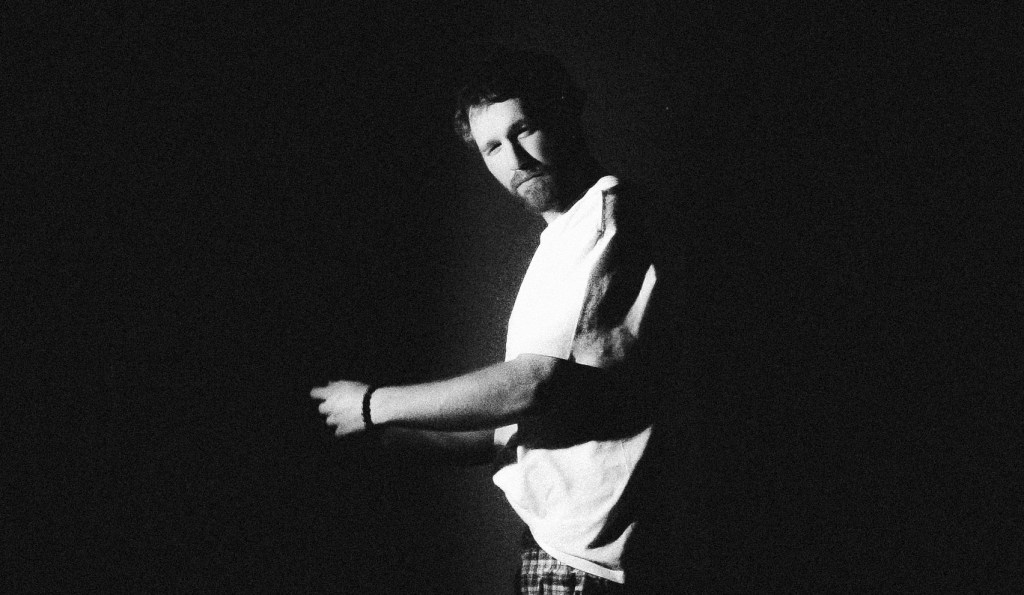
At 17, most people are still figuring out how to articulate who they are to themselves, let alone translating that internal chaos into an uncompromising sonic world. For New York-based rapper, singer, and producer David Naïve, that process of self-documentation has been quietly building since childhood. Having picked up writing at 12 and self-teaching production at 14, Naïve’s approach to music isn’t a hobby—it’s an unfiltered archive of his teenage years.
His latest release, “SCARED, FOREVER,” acts as a loud, abrasive, and deeply introspective entry point into his vision. Moving away from polished formulas, the track pulls heavily from the raw, experimental textures of artists like Earl Sweatshirt, merging experimental hip-hop with noise and drone-music sonics. Anchored by organic, hypnotic percussion, the production creates a dense, atmospheric wall of sound. Over this heavy instrumentation, Naïve delivers vulnerable, descriptive vocals, turning his insecurities and self-critique into something sharp, melodic, and impossible to ignore.
The single serves as the lead-in to his upcoming debut album, Maiden, Post-Vïe. Scope and experimentation define the project, which Naïve built as a document of the last five years of his life. Across the tracklist, the album shifts intentionally through contrasting landscapes—from cold, ethereal EDM to manic rage metal and ambient, experimental rap. Underneath the genre jumps lies a central narrative: a candid exploration of love, loss, identity, depression, and gradual recovery.
With “SCARED, FOREVER,” David Naïve establishes himself as a completely self-reliant artist willing to embrace sound at its most volatile, capturing the weight of growing up in real time.
At 17, David Naïve is already looking at music as something more lasting than a collection of songs. For the New York artist, writing and producing have become ways of keeping track of where he has been, what he has felt, and how he has changed. His new single, “EXILE,” sits firmly in that space.
Naïve started writing raps at 12 and began producing two years later. Everything he has released so far has been self-produced, giving him complete control over both the sound and the stories he wants to tell. His music tends to be introspective and atmospheric, but there is also a sharpness to his writing and melodies. He isn’t interested in simply describing how he feels; there is a sense of self-awareness in the way he turns those feelings into music.
“EXILE” is a particularly fitting example of that approach. The song draws from the cloud rap, wave and alternative R&B sounds that defined parts of the 2010s, but Naïve gives those influences a darker and more personal edge. Dense synths hang over cavernous percussion and booming 808s, creating a sound that feels distant and almost weightless at the same time.
At the center of it is a song about loneliness, escapism, and love and loss. Those themes aren’t presented as separate ideas so much as different sides of the same feeling. There is something intentionally dreamlike about “EXILE,” as if the song exists somewhere between wanting to disappear and wanting to be understood.
Naïve blends melodic vocals and sharper flows throughout the track, keeping the performance from settling into one mood for too long. The production gives him plenty of space to do that. Rather than overwhelming the vocals, the atmospheric layers create a backdrop for the emotional tension in the writing.
“EXILE” is also a glimpse into a much larger project. The song will appear on Naïve’s upcoming debut album, Maiden, Post-Vïe, an eclectic record that draws from a surprisingly wide sonic palette. The album moves through ethereal, cold EDM, manic rage metal and experimental ambient rap, reflecting a period of roughly five years in Naïve’s life.
For an artist who describes music as a way of documenting whatever is happening in his head at a given moment, that makes sense. “EXILE” doesn’t try to offer easy answers. It stays inside the feeling — melancholic, hazy and occasionally heavy — and lets the atmosphere speak alongside the words.
There is something striking about hearing an artist so early in his career already treating his music as a personal archive. “EXILE” feels less like a standalone introduction and more like a page from a story that is still being written. With Maiden, Post-Vïe on the way, David Naïve is beginning to put that story into focus.
Texas artist Isaiah Moore has teamed up with Chicago artist Ric Wilson and NOVAK Music for “Whip It / Flip It”, produced by Tweak on the Beat and Ned.Beats. Their newest collaboration brings together hip-hop, R&B, funk and dance influences over an energetic, groove-driven production.
For Isaiah Moore, the release marks an important step in his growing career. Born and raised in Texas, Moore first started getting seriously involved with music at around 15, drawing inspiration from hip-hop and R&B. His influences range from Tupac, J. Cole, Joyner Lucas and Nipsey Hussle to a wide range of artists from the Texas music scene. That mix of influences comes through in his approach, which moves comfortably between rap, melody and more personal songwriting. As the newest artist to join NOVAK Music, he is entering a new chapter with a team focused on collaboration and experimentation.
“Whip It / Flip It” came together through NOVAK Music founder and producer Tweak on the Beat, who connected Moore with Chicago artist Ric Wilson. Wilson, who recently performed at Lollapalooza, brings his own distinctive style to the record, complementing Moore’s delivery and giving the track a natural back-and-forth energy.
The production comes from the NOVAK Music team, specifically Noah Edwards, known as Ned.Beats, and Tweak on the Beat. The label currently operates with four producers — Tweak, Tracy Winckler, Ned.Beats and Josh Karban (JxK) — alongside Moore as its artist. The idea is straightforward: build a space where producers and artists from different backgrounds can work together and release music without being boxed into one particular sound.
That approach is especially clear on “Whip It / Flip It.” The production is colorful and layered, built around infectious grooves, bright synths and a steady rhythmic pulse. Smooth vocal passages sit alongside confident rap flows, giving the song a fluid feel that shifts naturally between genres rather than sticking to one lane.
The result is an upbeat, polished collaboration that brings dance, hip-hop, R&B and funk into the same space. “Whip It / Flip It” introduces Isaiah Moore to a wider audience while offering a look at what NOVAK Music is building around him.
With a publishing agreement through EMPIRE, NOVAK Music is positioning itself for a broader run of artist and producer collaborations. “Whip It / Flip It” is an early example of that vision — a record built around different voices, different influences and a willingness to let the music move wherever it needs to go.
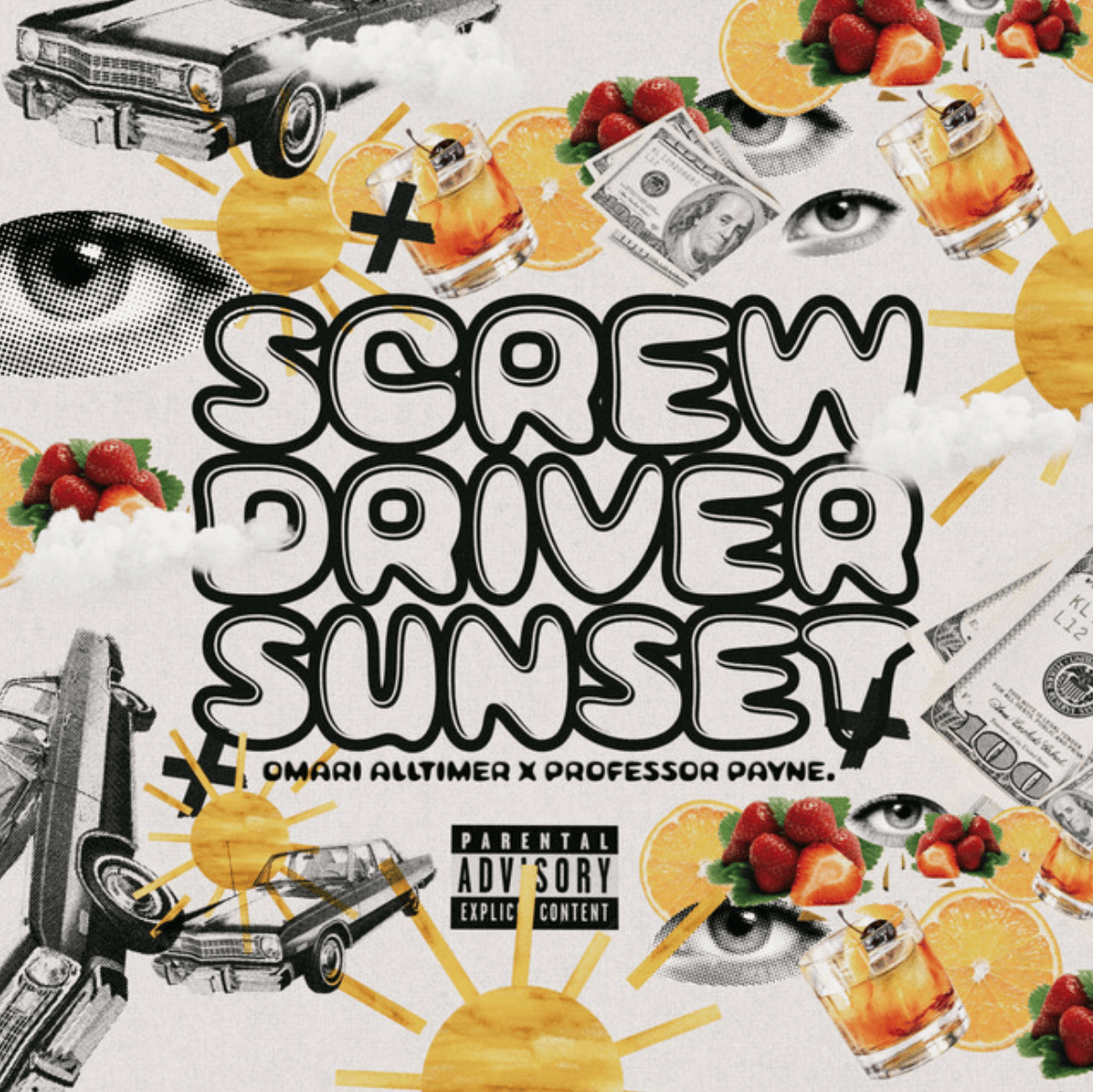
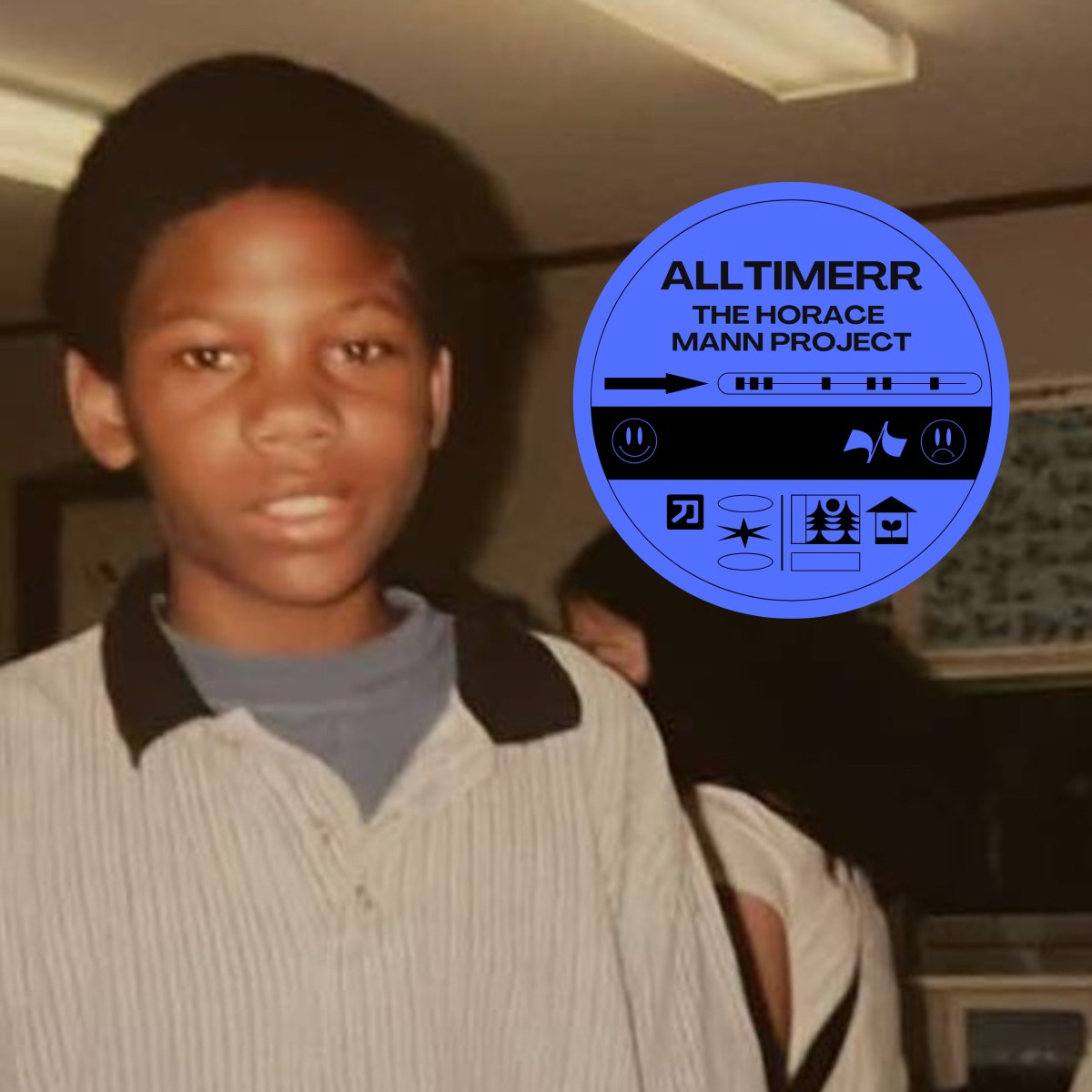
There are places we leave behind without ever really leaving them. They stay in the music we make, the way we speak, and the memories that surface when we least expect them. For Omari Alltimer, that place is Research Forest, Texas.
Created alongside producer MNTRY, Research Forest is an album about memory, identity, and the process of finding your way back to a place you once called home. It isn’t simply a record about Texas, but more expansive, discussing what happens when distance changes the way you understand where you came from.
Born and raised in Little Rock, Arkansas, Alltimer came of age in the suburbs of Houston, a transition he describes as a culture shock. In his own terms, if Houston was Game of Thrones’ King’s Landing, The Woodlands was its “bougie Winterfell.” It was home, but it was also a place where he often felt caught between worlds.
As one of very few Black people in a predominantly white community, Alltimer experienced a sense of isolation that would later become central to the project. At the time, he didn’t fully appreciate the culture surrounding him. It was only after leaving Texas for his freshman year of college in San Francisco that he realized how much he missed home.
That realization became part of the inspiration for Research Forest—the kind of album Alltimer wishes he had growing up. A project for anyone who has ever felt out of place, misunderstood, or somewhere between identities.
MNTRY’s production gives the project that sense of space. On “4sho,” airy, layered instrumentation creates an atmospheric entrance for Alltimer’s sharp and reflective writing. “Feeder Rd.” moves into smoother territory, pairing lush production with sleek bars, while “Focus” brings some of the album’s most detailed storytelling against MNTRY’s ethereal, gritty sound.
The closing track, “The Cost,” provides a sense of resolution. Triumphant flows meet powerful production, bringing the project to a fitting conclusion.
Research Forest is a record about evolution—and about the places that remain part of us long after we’ve left them.
“Reality is a laboratory,” Alltimer says. “Since escaping the woods of Texas I keep finding myself there.”
Research Forest may be a physical place, but on this album it becomes something larger: a memory, a feeling, and a piece of home that never really disappeared.
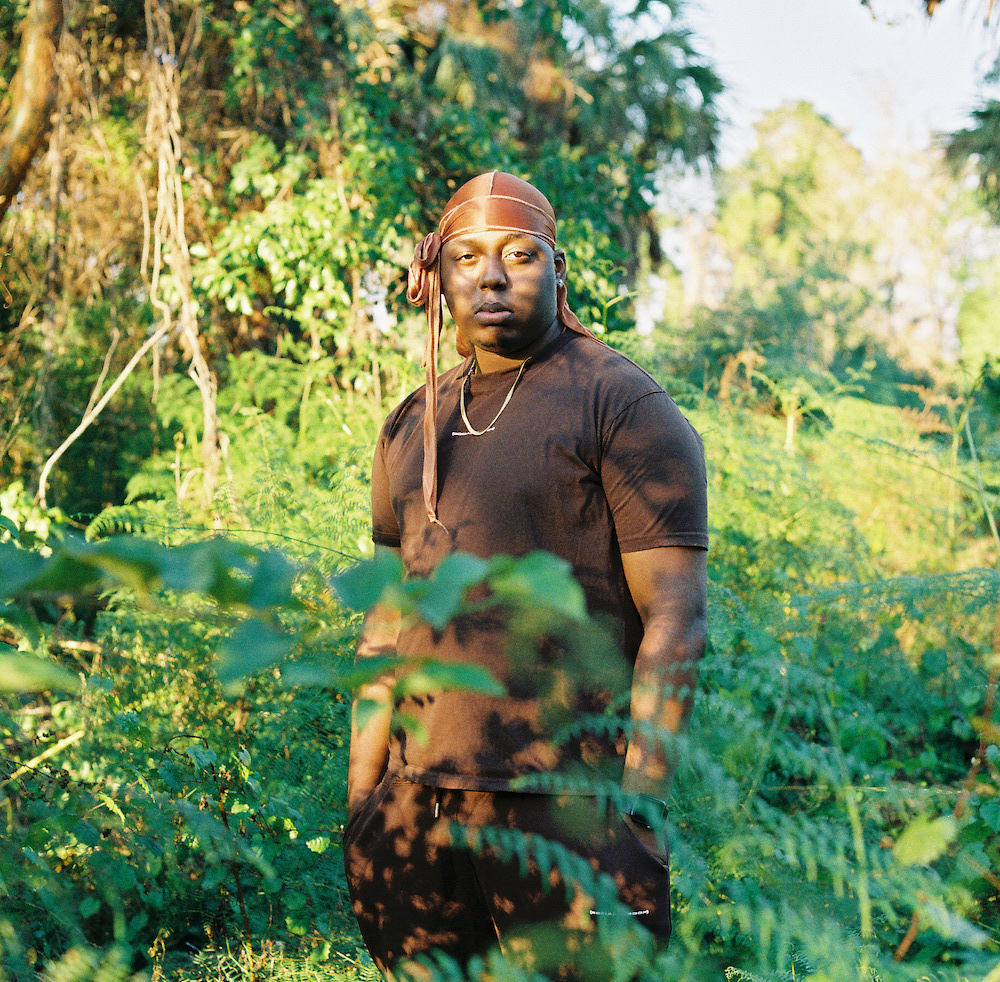
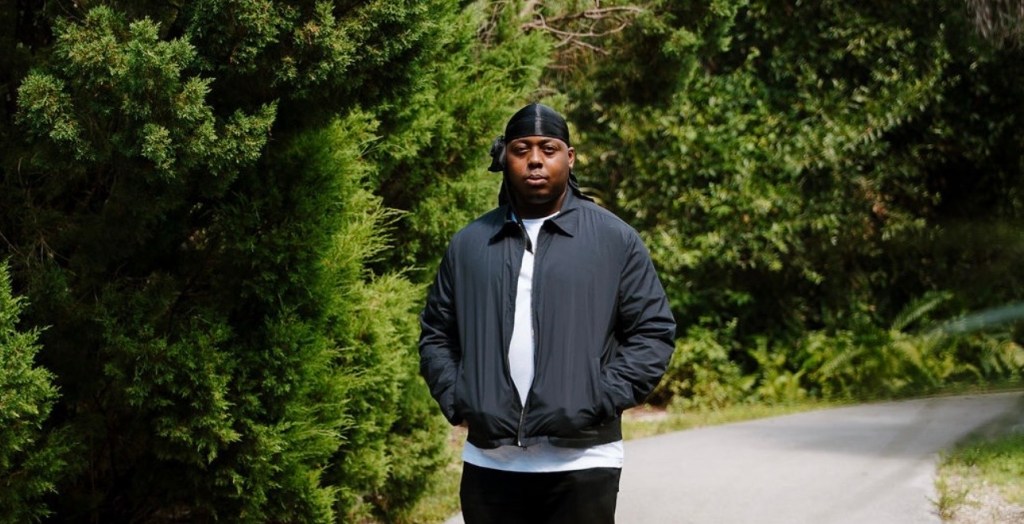
American emcee Omari AllTimer and British producer alex. have shared a new EP called Transatlantic Wave Trade. Their latest offering is a poignant cross-continental collaboration rooted in and reverent for hip-hop culture, which has long connected communities across oceans despite vastly different lived experiences.
For Omari AllTimer, Hip-Hop is not a genre or an aesthetic, but rather, a lifelong language. His writing reflects someone shaped by experience, history, and the culture that raised him. Every verse carries the perspective of a man who has lived many lives within one timeline, balancing sharp observation with personal reflection.
Across the Atlantic, alex. approaches the culture through production steeped in reverence for Hip-Hop’s foundation. His sample-driven sound draws from the warmth and soul of the 90s Golden Era while pushing those textures into a contemporary space, creating music that feels both timeless and forward-looking.
Their stories are different. Their realities are different. Yet the frequencies meet. From one continent to another, waves are exchanged.
The title Transatlantic Wave Trade intentionally flips one of history’s darkest chapters on its head. Where people were once violently transported across the Atlantic, culture now travels freely through music. What was once a route of oppression becomes a pathway for artistic dialogue, collaboration, and shared identity.
Hip-Hop remains one of America’s most influential cultural exports—born from Black creativity and carried around the world. Its language, style, and innovation continue to shape global culture, even as they are often borrowed without acknowledgement of the communities that created them. Transatlantic Wave Trade stands as both a celebration of that influence and a reminder of where it comes from.
This project makes for a poignant an exchange between kindred spirits separated by geography but connected through rhythm, history, and a shared commitment to the culture.
Selected Tracks
“owl city freestyle” opens the project with cinematic intent, pairing elegant, hard-hitting samples and rich percussion beneath Omari AllTimer’s razor-sharp lyricism. It serves as both introduction and statement of purpose.
“away team” expands the project’s emotional scope through warm, layered sampling, immersive rhythms, and heartfelt verses that capture the feeling of finding connection far from home.
“in the present” closes the featured selection with introspective writing over shimmering, soulful production, grounding the project in reflection, resilience, and clarity.
Bug Nelson has always approached rap from an unconventional angle. Long before recording albums, he was filling notebook pages with rhymes instead of math problems, discovering that storytelling came more naturally than solving equations. That instinct for finding humor in everyday moments has stayed with him ever since, becoming one of the defining traits of his music.
Now based in Brooklyn, Nelson has cultivated a style that feels both laid-back and meticulously crafted. His writing is packed with offbeat observations, understated confidence, and a personality that never feels forced. There’s an ease to the way he delivers his bars, balancing sharp punchlines with a grounded perspective that makes his music as engaging as it is replayable.
His latest project, Combustible Body Armor, sees him team up with producer Cusho for a full-length collaboration that builds an immersive world from beginning to end. Rather than chasing trends, the pair lean into textured, sample-driven production and vivid lyricism, creating an album that rewards repeat listens. Guest appearances from Josh Alias, Oatmeal Jenkins, and Cooper add fresh dynamics without ever pulling focus from the project’s cohesive identity.
From its opening moments, the album establishes its atmosphere. “assorted luggage,” featuring Josh Alias, introduces listeners to Nelson’s world through hypnotic loops, jazz-inflected production, and tightly written verses that effortlessly pull you into the record. “WKUK,” alongside Oatmeal Jenkins, shifts the energy with rugged grooves and memorable performances that showcase both artists’ chemistry, while “Ole Larry’s Bones” slows things down with smoky keys, organic percussion, and an effortlessly fluid delivery that highlights Nelson’s knack for riding understated production.
Closing track “CANNONBALL RICHARDS” leaves a lasting impression, pairing driving guitars and rich basslines with one of Nelson’s most commanding performances on the project. It’s a fitting conclusion to an album built on confidence, creativity, and a clear artistic vision.
For listeners drawn to the sample-heavy, left-field corner of hip hop occupied by artists like Action Bronson, Roc Marciano, Boldy James, Larry June, and The Alchemist, Bug Nelson offers a voice that feels comfortably familiar while remaining entirely his own. Combustible Body Armor is a confident introduction to an artist whose greatest strength lies in making the unconventional feel effortlessly natural.
Xander Pages has shared a new music video for “Eternal Sunshine,” a warm and cinematic visual that celebrates love, growth, and the moments that make the journey worthwhile. Directed by Rachel Cara and shot by VHS Boys, the video brings the song’s uplifting energy to life through vibrant imagery, movement, and a sense of freedom.
Filmed in Coney Island, the visual reflects the spirit of “Eternal Sunshine” as a moment of relief and appreciation. While much of Pages’ latest EP ‘Do Not Lose the Plot’ explores uncertainty, heartbreak, self-reflection, and the challenges that come with personal growth, “Eternal Sunshine” offers a different perspective — one centered on love and the positive experiences that help shape us. The result is a visual that feels like a breath of fresh air, capturing the warmth and optimism at the heart of the record.
Inspired by memorable scenes from the acclaimed film Eternal Sunshine of the Spotless Mind, the video blends nostalgic elements with Pages’ own creative identity. The Coney Island setting adds to the track’s summery atmosphere, creating a feeling of openness and movement that mirrors the song’s bright production and emotional message.
“Eternal Sunshine” appears on Do Not Lose the Plot, a six-track self-produced EP that documents a defining period of growth for Pages. Written and recorded from demos created in his childhood garage, the project serves as a deeply personal introduction to his evolving artistry. Across the EP, Pages blends influences from jazz, soul, reggae, bossa nova, and alternative hip-hop into a cohesive sound that feels both nostalgic and forward-thinking.
With “Eternal Sunshine,” Xander Pages highlights another side of his artistry — one built around connection, gratitude, and the freedom found through love. The visual serves as a fitting extension of Do Not Lose the Plot, revealing an artist who is not only processing life’s challenges but also recognizing the beauty found along the way.
Watch the new music video for “Eternal Sunshine” here now:
Listen to Xander Pages’ new EP ‘Do Not Lose the Plot’ here now:
After years of personal evolution, artistic refinement, and life experiences that have shaped his perspective, Brooklyn-born emcee, producer, and creative Dom Cruz continues a prolific 2026 with PAST LIVES II — a powerful new EP created with producer Blkgod9 that captures the weight of transformation, the scars of the past, and the freedom found through self-expression.
Raised in New York and shaped by a journey that carried him through Atlanta, Florida, Portland, and Southern California, Dom Cruz’s artistry has been built through movement, connection, and reflection. Each chapter of his life has left an imprint on his music, allowing him to create from a place that feels deeply personal yet universally relatable. His travels have expanded not only his creative palette but also his understanding of himself, and those experiences continue to fuel the honesty that defines his work.
Blending poetic lyricism with raw emotion, Cruz crafts music that exists somewhere between confession and cinematic storytelling. His sound is rooted in authenticity, vulnerability, and darkness — elements he describes as “all wrapped up into poetry.” Whether delivering intricate verses behind the microphone or building immersive soundscapes from behind the boards, Cruz approaches every record with intention, creating a direct and emotional connection between artist and listener.
Following a six-year hiatus spent navigating the responsibilities of life, Dom Cruz continues his return with a sharpened perspective and renewed purpose. PAST LIVES II serves as a testament to that growth — a body of work that reflects the lessons learned, battles fought, and experiences that have shaped the artist he has become.
The EP’s closing track, “VOID // FREEDOM,” brings that journey full circle. Produced by Blkgod9, Teedoteinsof, and Nopal, the song pairs hypnotic production with a commanding performance from Cruz, creating a soundscape that feels both atmospheric and urgent. The accompanying visual captures the track’s intensity through striking nocturnal imagery and focused energy, showcasing Cruz’s ability to transform personal reflection into a powerful visual and sonic experience.
Across PAST LIVES II, each track reveals another layer of Cruz’s evolution. The opening track, “FUCC ICE FREE FRANKIE JAX,” immediately sets the tone with its unfiltered energy, balancing grit with moments of introspection. “HIGHWAY 1” offers a shift in atmosphere, bringing soulful, warm production and laid-back flows that create a sense of movement and reflection. The title track “PAST LIVES II” stands as one of the project’s defining moments, combining haunting soul samples, organic percussion, and heartfelt lyricism into a deeply resonant statement.
PAST LIVES II represents a continuation of Dom Cruz’s story — an exploration of identity, memory, and the experiences that shape who we become. With a renewed voice and a willingness to embrace both the light and darkness within his art, Cruz proves that time away only strengthened his craft. Now, he’s returning with purpose, perspective, and a story worth hearing.
Watch the video for “VOID // FREEDOM” here:
Listen to PAST LIVES II on Bandcamp HERE and purchase it to support the artists directly.
Since releasing her debut single make a home in 2021, Randy Beth has steadily built a catalog defined by emotional honesty and thoughtful songwriting. Her music rarely deals in absolutes. Instead, it sits comfortably in the gray areas of relationships, identity, and self-discovery, creating songs that feel both deeply personal and widely relatable.
Her latest release, classy, continues that trajectory while introducing a sharper edge. The track examines betrayal, wounded pride, and the difficult process of rebuilding confidence after someone has left their mark. Rather than framing heartbreak as something purely painful, Beth approaches it as a turning point—a moment where disappointment eventually gives way to clarity.
At its core, classy is about reclaiming your sense of self after being underestimated. There is frustration woven throughout the song, but it never feels consumed by bitterness. Instead, Beth channels those emotions into something more powerful, transforming hurt into self-awareness and resilience.
Musically, the track mirrors that evolution. Atmospheric keyboards provide a spacious backdrop while energetic percussion and a driving bassline push the song forward with purpose. The arrangement builds patiently, allowing tension to accumulate before opening into a chorus that feels both cathartic and memorable. Electronic textures add depth throughout, enhancing the mood without overshadowing the song’s emotional center.
What makes classy particularly effective is its balance between vulnerability and confidence. The production feels polished and expansive, yet the songwriting remains intimate enough to keep listeners connected to the story unfolding beneath the surface. Every musical element serves the narrative rather than competing with it.
In an era where much of contemporary pop can feel overly manufactured, Beth’s work stands apart because of its authenticity. Her songs acknowledge that emotional growth is rarely neat or straightforward. Strength and uncertainty often exist side by side, and classy embraces that contradiction with refreshing honesty.
The single arrives as Beth’s eighth release and another important step in her artistic evolution. With each new song, she continues refining a sound that blends emotional depth with modern pop sensibilities, while remaining committed to storytelling that feels genuine and lived-in.
On classy, Randy Beth doesn’t simply document heartbreak—she examines what comes after it. The result is a song about self-respect, perspective, and the quiet confidence that emerges when you finally realize your worth was never dependent on someone else’s recognition.
As her catalog continues to grow, classy stands as one of Beth’s most assured statements yet, showcasing an artist increasingly comfortable in her own voice and unafraid to tell the truth, even when it’s complicated.
Xander Pages has shared his debut self-produced EP, Do Not Lose the Plot. Written, produced, and pieced together from demos recorded in the garage of his childhood home, the six-track EP captures a transformative period in the 20-year-old artist’s life. Blending jazz, bossa nova, reggae, soul, and sample-driven hip-hop, the project refuses to stay confined to one genre, instead following the emotional arc of a year defined by growth, uncertainty, heartbreak, and renewed purpose.
Raised throughout Los Angeles’ coastal neighborhoods, Pages developed an appreciation for movement, creativity, and the city’s diverse cultural influences from an early age. Those experiences continue to shape his artistic identity, resulting in music that pairs warm, textured production with introspective songwriting inspired by both the natural world and the complexities of human emotion.
Yet Do Not Lose the Plot represents a turning point beyond being his debut release. It marks Pages’ first entirely self-produced body of work, documenting both his artistic evolution and the experiences that shaped it.
The project’s title became increasingly meaningful as its narrative unfolded. While working with the creative collective Big.Ass.Kids, Pages found himself immersed in environments he had only imagined before, gaining firsthand insight into the creative process behind artists and projects he admired. Those experiences sparked the opening track, “The Plot Thickens,” an energetic statement built around smoky jazz textures, funk grooves, and fluid vocal performances that reflects newfound ambition without losing sight of his original vision.
As the seasons changed, so did the music. Returning to Philadelphia during the winter, Pages found himself navigating heartbreak, burnout, and seasonal depression. Those emotions seep into “Answer” and “Company,” two of the project’s most introspective moments. Their understated production and reflective lyricism create space for vulnerability while maintaining the project’s organic, genre-fluid sound.
The second half of the EP shifts toward optimism. “Flying High,” featuring St. Germain, offers a moment of release through hypnotic grooves and atmospheric production, celebrating friendship and the simple joy of being present. “Eternal Sunshine” embraces love and gratitude through soulful melodies and hazy alternative R&B influences, while the closing track, “Days of Our Lives,” ties the entire journey together. Built around rich soul samples and heartfelt storytelling, the finale balances the highs and lows that define early adulthood, ending not with certainty but with a commitment to keep moving forward.
Visually and conceptually, Do Not Lose the Plot draws inspiration from vintage television aesthetics, DIY filmmaking, and coming-of-age cinema. Each song functions like an episode in a larger story, capturing moments that, while vastly different in emotion, collectively shape identity. Rather than presenting life as a straight path, Pages embraces its unpredictability, allowing joy, confusion, love, and loss to coexist within the same narrative.
That honesty is what ultimately gives the project its impact. Do Not Lose the Plot is a coming-of-age record that documents an artist learning to trust both his instincts and his process. By refusing to smooth over life’s contradictions, Xander Pages delivers a debut that feels deeply personal while remaining universally relatable.
For an artist still early in his career, Do Not Lose the Plot is less a statement of arrival than a compelling indication of where the story goes next.