
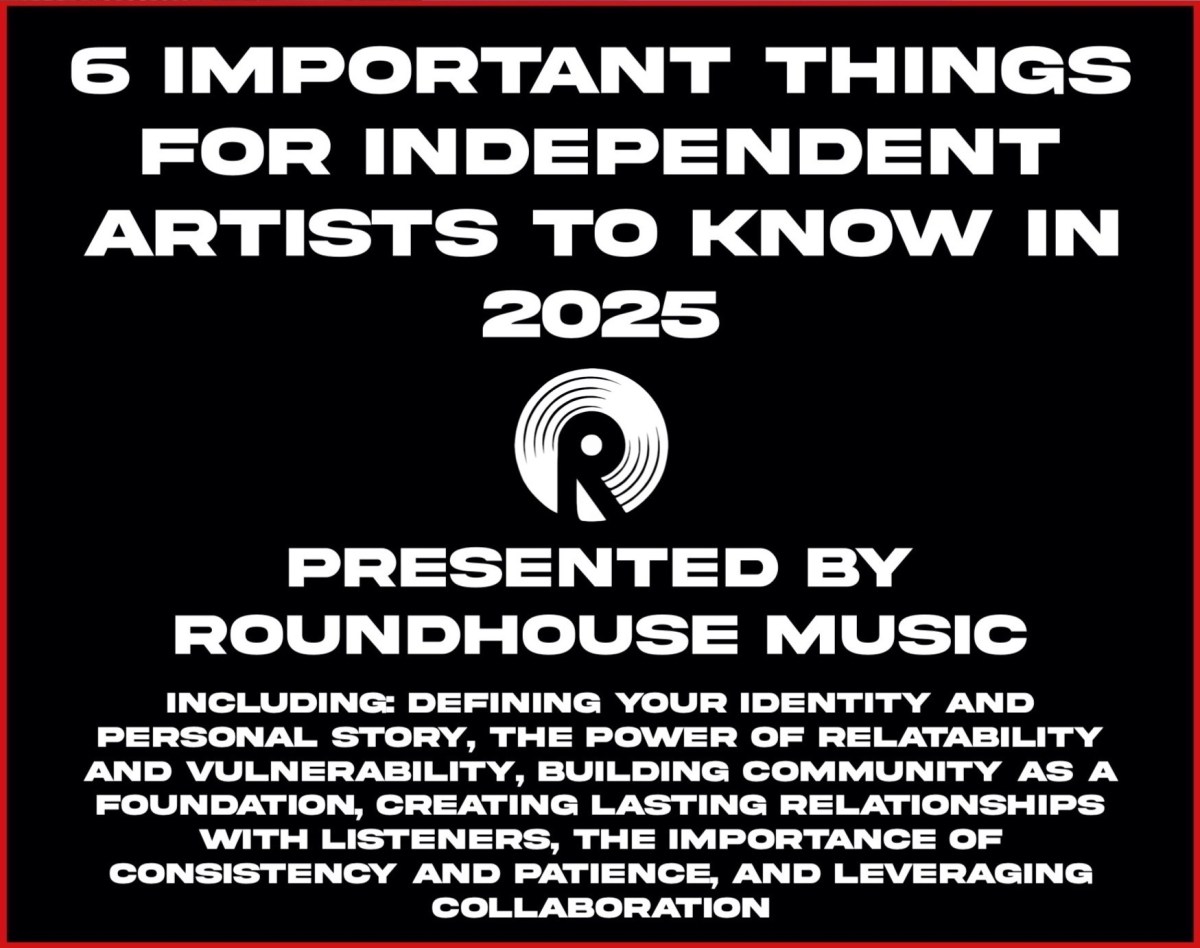
By Jacob Ezra
- Defining your identity and tell your personal story
Determine the style, themes, and message that resonate with you and your work. This should reflect your unique artistic identity, whether it’s through visual art, music, writing, or any other form.
Share your journey—why you create, what inspires you, and the struggles you’ve overcome. This can be in the form of posts, videos, blogs, or even podcasts. A compelling narrative helps people feel more connected to you as an artist and will foster loyalty.
Authenticity is key to building trust with your audience. Share the highs and lows of your creative journey. People are more likely to support you if they feel they know the real you, not just the curated version.
2. The power of relatability and vulnerability
Personal storytelling and relatability are essential for independent musicians because they help build an emotional connection with your audience, differentiate you from other artists, and foster trust.
Sharing your story humanizes you as an artist and encourages a deeper, more meaningful relationship with your fans. When they feel they know you, understand your struggles, and can relate to your journey, they’re more likely to support you and share your work with others. When they relate to you personally, they feel more invested in your success and your art.
Vulnerability is powerful: letting people into your world—whether it’s about love, loss, growth, or the challenges of being an independent artist—creates a sense of empathy. When you show vulnerability, it makes you more accessible. People often feel like they’re not alone in their experiences if they see you express your own in an honest way.
3. Building community as a foundation
When your listeners feel like they’re part of something meaningful, it fosters deeper loyalty, as they further engage with your content- sharing your music, and spreading the word. This kind of engagement leads to organic growth, where word-of-mouth promotion and genuine connections help amplify your reach and visibility. By fostering a sense of belonging, your community will stand by you across your career.
In addition to the emotional support, building a community can also provide financial stability and professional opportunities. Platforms like Patreon and crowdfunding allow you to monetize your fanbase, giving you the resources to continue creating. A loyal community can also open doors to collaborations, live performances, and direct feedback, which help you grow. With a strong community backing you, you’ll feel more resilient in navigating the ups and downs of the music industry, and the connections you cultivate can help you sustain a fulfilling and successful career over time.
4. Creating lasting relationships with listeners
Independent musicians thrive on building genuine, personal connections with their audience. These connections go beyond simply gaining streams or social media followers—they’re about fostering trust, loyalty, and a sense of community that keeps listeners engaged with your music for the long haul.
One of the most effective ways to build these relationships is through authentic, consistent communication. Whether it’s through social media, newsletters, live streams, or responding to fan messages, showing up as your true self helps listeners feel like they’re a part of your journey. Sharing behind-the-scenes content, personal stories, or the emotional process behind your music can also make listeners feel more connected to you.
Another key aspect is showing appreciation for your listeners. Acknowledging their support through shoutouts, exclusive content, or even hosting events like virtual meet-ups or Q&A sessions can make them feel valued. When listeners feel seen and heard, they’re more likely to continue supporting you in meaningful ways—whether that’s purchasing your music or merchandise, attending your shows, or simply spreading the word to others.
5. The importance of consistency and patience
As an independent artist, you’re often navigating a landscape without the infrastructure or support that comes with labels, so consistency in your work, content, and engagement becomes a highly valuable asset. By consistently releasing music, posting on social media, and engaging with your fans, you keep yourself visible and relevant. It’s this regular presence that helps build momentum over time and keeps your audience engaged. When listeners know that they can count on you for new content, updates, and meaningful interaction, it strengthens their connection to your brand and music.
However, consistency alone isn’t enough; patience is equally important. Building a career as an independent artist is a marathon, not a sprint. It can take years of hard work and dedication before you see significant results, and in the meantime, there will be moments of doubt and frustration. It’s crucial to have patience with the process, knowing that progress often happens slowly. Small wins, whether it’s a handful of new fans, a positive review, or a successful live show, add up over time.
6. Leveraging collaboration
Working with other artists, brands, or platforms in your field can help broaden your reach and introduce your music to a wider range of listeners.
Collaboration often brings new ideas and approaches to your music. Working with another artist can help you push your boundaries creatively, try out new genres, techniques, or sounds, and break out of any artistic ruts.
Collaboration is a powerful tool for independent musicians. It opens up new opportunities for networking, creativity, exposure, and personal growth. By working with other artists, you can diversify your sound, reach new audiences, and refine your skills. Plus, it offers a chance to stand out in a crowded market and build a strong support system.
 ROUNDHOUSE MUSIC